
Reliable Gas Removal Solutions for Industrial Applications
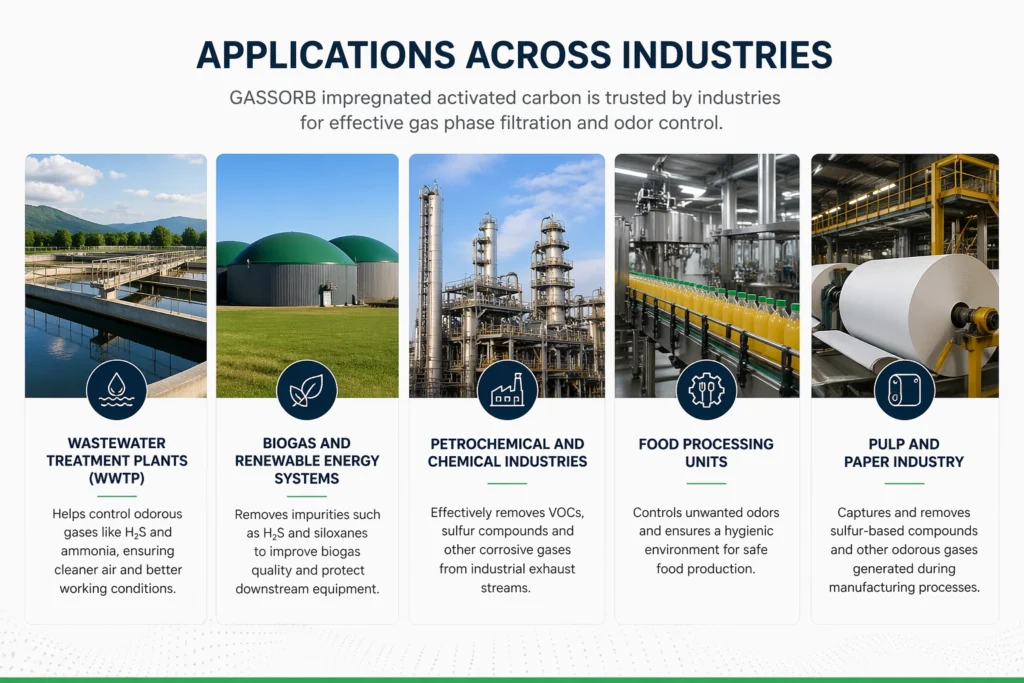
In many industrial environments, air quality management is not just about compliance, it is essential for operational efficiency, equipment protection, and workplace safety. Facilities such as wastewater treatment plants, petrochemical units, biogas plants, and food processing industries generate a range of gaseous contaminants during their processes.
These gases commonly include hydrogen sulfide (H₂S), ammonia, mercaptans, volatile organic compounds (VOCs), and nitrogen oxides (NOx). If not treated properly, they can lead to persistent odor issues, corrosion of infrastructure, and potential health risks for workers and nearby communities.
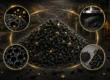
GASSORB by EcoGreen is designed to address these challenges through the use of impregnated activated carbon, developed specifically for gas-phase filtration applications.
Understanding the Need for Impregnated Activated Carbon
Standard activated carbon is widely used for adsorption, where contaminants are captured on the surface of the carbon. However, in gas-phase applications especially where reactive or corrosive gases are present basic adsorption may not be sufficient.
Impregnated activated carbon improves performance by introducing specific chemicals into the carbon structure. These additives enable the material to not only adsorb gases but also chemically react with them, improving removal efficiency for compounds such as hydrogen sulfide and ammonia.
This makes impregnated carbon a more suitable choice for applications where:
-
- Gas concentrations are high
-
- Odor control is critical
-
- Corrosive gases are present
-
- Continuous operation is required
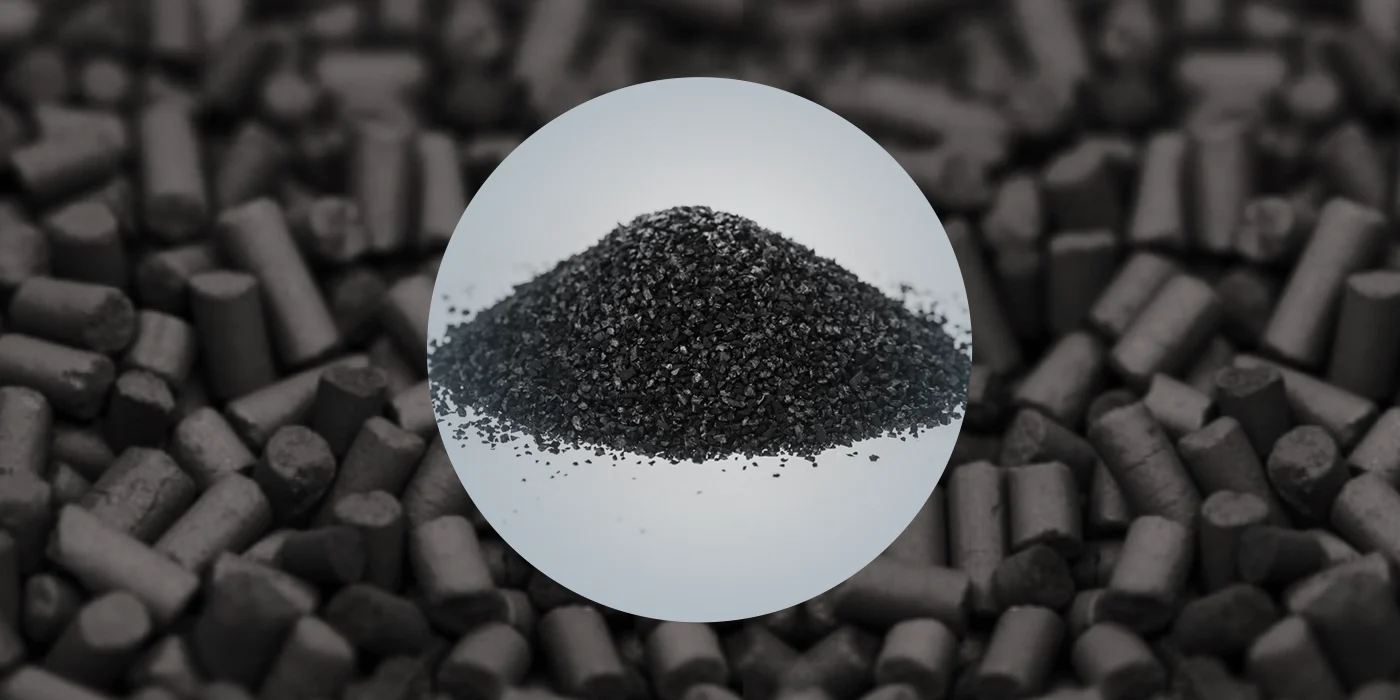
GASSORB includes two primary forms of activated carbon, each suited to different system requirements.
Impregnated Granular Activated Carbon (GAC)
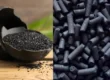
This form consists of irregularly shaped carbon granules that provide a balance between surface area and pore accessibility. It is commonly used in systems where flexibility and adaptability are required.
Key characteristics:
-
- High internal surface area for effective adsorption
-
- Chemical impregnation for enhanced gas removal
-
- Suitable for a range of industrial gas treatment systems
Typical uses:
-
- Exhaust air treatment units
-
- Odor control systems
-
- Industrial scrubber support media
Granular carbon is often selected for applications where gas flow conditions vary or where retrofitting existing systems is necessary.
Impregnated Pelletized Activated Carbon
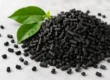
Pelletized carbon is manufactured in uniform cylindrical shapes, offering consistent performance in controlled environments.
Key characteristics:
-
- Uniform structure for stable airflow
-
- Lower pressure drop compared to granular carbon
-
- Higher mechanical strength and durability
Typical uses:
-
- Continuous air filtration systems
-
- HVAC-based industrial filtration
-
- Biogas purification systems
Pelletized carbon is generally preferred in installations where airflow consistency, low resistance, and long service life are important factors.
Performance Considerations
When selecting activated carbon for gas-phase applications, several factors influence performance:
-
- Type of contaminant: Different gases require different impregnation formulations
-
- Concentration levels: Higher concentrations may require deeper carbon beds or frequent replacement
-
- Airflow rate: Impacts contact time between gas and carbon
-
- Humidity and temperature: Can affect adsorption efficiency
GASSORB products are designed to perform under a wide range of operating conditions, but proper system design and selection remain critical for achieving consistent results.
Operational Benefits
Using impregnated activated carbon in gas filtration systems offers several practical benefits:
-
- Improved removal efficiency for reactive gases
-
- Reduced odor levels in and around facilities
-
- Protection of equipment from corrosive compounds
-
- Adaptability across different industrial processes
These benefits contribute to more stable operations and help facilities meet environmental and safety requirements.
Positioning GASSORB within EcoGreen’s Product Line
EcoGreen’s product range includes both standard and specialized activated carbon solutions. While products like granular and pelletized carbon are suitable for general adsorption applications, GASSORB is specifically developed for gas-phase treatment where enhanced performance is required.
This distinction is important when selecting the right material for a given application. Using standard carbon in reactive gas environments may lead to reduced efficiency and shorter service life, whereas impregnated carbon provides a more targeted solution.
Conclusion
Managing gaseous emissions is an essential part of modern industrial operations. As processes become more complex and environmental expectations increase, the need for reliable and efficient filtration solutions continues to grow.
GASSORB by EcoGreen provides a practical approach to gas-phase filtration through the use of impregnated activated carbon. By combining adsorption with chemical interaction, it addresses the limitations of standard carbon and offers improved performance in demanding environments.
For facilities dealing with odor control, corrosive gases, or air quality management, selecting the appropriate activated carbon solution is a key step toward achieving consistent and effective results.