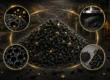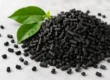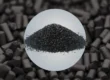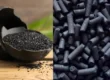

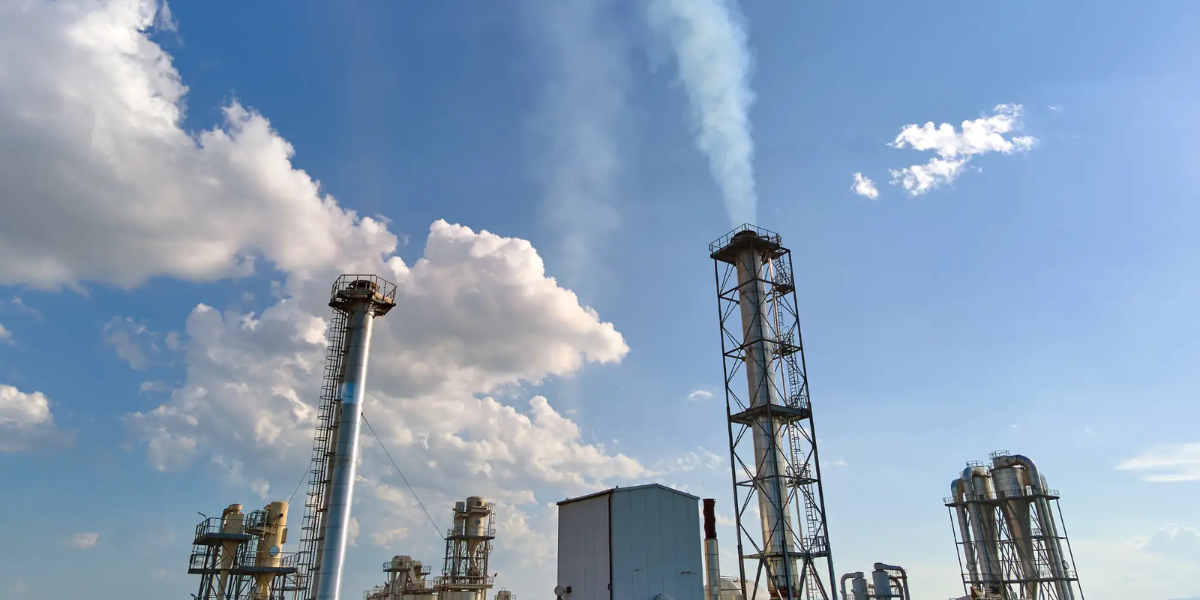
Gas treatment activated carbon is important in regulating air pollution and indoor and industrial air quality. The harmful gases, odors, and volatile organic compounds (VOCs) are eliminated in the air by air purification through the use of activated carbon. The solution is a green and efficient tool that is highly used by industries since it maintains environmental standards and results in healthier and cleaner air systems.
Understanding Activated Carbon for Gas Treatment
Activated carbon is a porous substance that has a high adsorption capacity; that is why it is used in the treatment of gases and purification of the air.
-
- Gas treatment adsorption mechanism.
-
- Industrial and environmental air purification.
-
- Significance of sustainable pollution control.
Role of Activated Carbon in Gas Treatment
Gas treatment activated carbon is employed to eliminate chemical vapor, toxic gases, and odors in industrial exhausts.
-
- It improves the quality of air because the contaminants are adsorbed at a molecular level.
-
- It is used by industries to meet the environmental regulations.
-
- It promotes environmentally friendly and sustainable business.
-
- It is a good air purification medium due to its efficiency.
Importance of Air Purification Using Activated Carbon
Activated carbon is a very efficient way of purifying the air, thus guaranteeing cleaner and healthier air, not only in indoor spaces but also outside. It operates excellently throughout the process of eliminating volatiles such as organic compounds (VOCs), noxious gases, undesirable smells, and air particulates. The green technology used for the removal of air contaminants improves the quality of air, and therefore, the safety of technical work, health maintenance, and environmentally friendly practices in the long run are guaranteed.
What is it?
Activated carbon is a kind of man-made carbon material consisting of innumerable small pores restricted to the adsorption of gases and pollutants.
How Does It Work?
Activated carbon has the property of adsorption, and gas molecules get stuck in its porous structure. During this process, the pollutants are held without any chemical reactions taking place.
Purpose:
-
- Remove harmful gases and vapors
-
- Improve air quality
-
- Control industrial emissions
-
- Support environmental compliance
Advantages:
-
- High adsorption efficiency
-
- Eco-friendly solution
-
- Cost-effective
-
- Versatile industrial use
Activated Carbon in Gas Treatment
| Feature | Description |
| Material | Carbon-rich organic sources |
| Function | Adsorbs gases & pollutants |
| Usage | Industrial & commercial |
| Eco Impact | Environmentally friendly |
Conclusion:
Gas treatment using activated carbon is a sustainable solution that has been tested to be effective in enhancing the quality of air. Industries can use air purification. Using activated carbon to successfully cut down on hazardous exhausts, curb unpleasant smells, and fulfill environmental criteria. Its effectiveness, applicability, and environmental friendliness make it a necessary part of the air purification system of the modern world.
Upgrade Your Air Purification System
Discover eco-friendly activated carbon solutions designed for industrial gas treatment.
Email: ecogreen@carbons.in
Frequently Asked Questions (FAQs)
1. What is activated carbon for gas treatment?
Activated Carbon for Gas Treatment is a filtration solution that uses highly porous carbon material to adsorb harmful gases, chemical vapors, and odors from air streams, improving overall air quality.
2. Is activated carbon suitable for industrial air purification?
Yes, activated carbon for gas treatment is widely used in industrial environments such as chemical plants, manufacturing units, power plants, and refineries to control emissions and meet environmental regulations.
3. What types of gases can activated carbon remove?
Activated carbon can remove volatile organic compounds (VOCs), sulfur compounds, ammonia, chlorine, solvent vapors, and other harmful industrial emissions.