

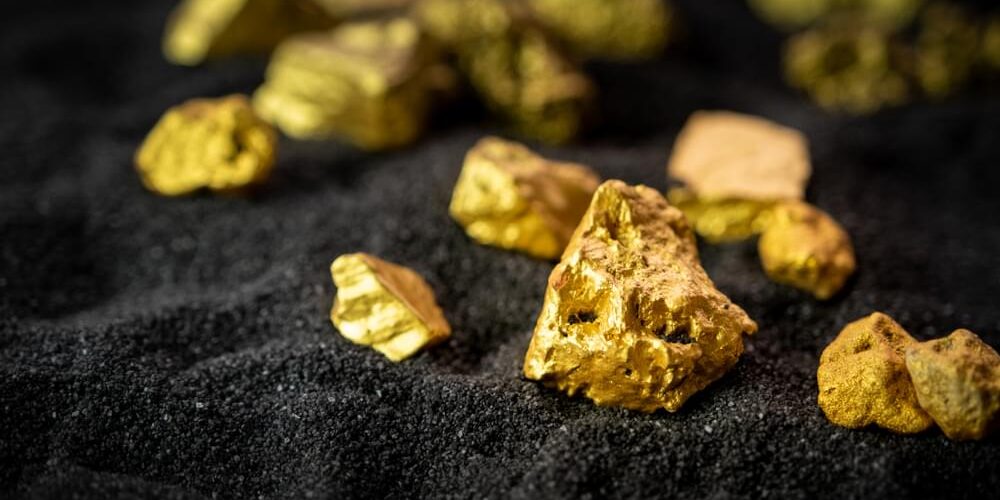
Activated carbon for metal recovery plays a critical role in modern gold and precious metal extraction. For goldmines and recovery plants worldwide, it is one of the most efficient and cost-effective solutions available today.
With rising metal prices and stricter environmental regulations, mining operations need higher recovery rates and cleaner processes. Activated carbon delivers both.
In this guide, we explain:
-
- How activated carbon works in metal recovery
-
- Why it is essential for gold processing
-
- Key benefits for mining operations
-
- How to choose the right carbon grade
-
- Best practices to maximize performance
What Is Activated Carbon?
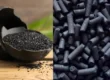
Activated carbon is a highly porous material made from carbon-rich sources like:
-
- Coconut shells
-
- Coal
-
- Wood
It undergoes activation at high temperatures to create millions of microscopic pores. These pores give it an extremely large surface area often over 1,000 m² per gram.
This massive surface area allows it to adsorb dissolved metals, especially gold, from solution.
How Activated Carbon in Metal Recovery Works
The Adsorption Process
In gold mining, activated carbon is primarily used in cyanide leaching circuits.
Here’s how it works:
-
- Gold ore is crushed and treated with cyanide solution.
- Gold dissolves into the solution.
- Activated carbon is added.
- Gold ions attach to the carbon surface (adsorption).
- Loaded carbon is separated and processed to recover gold.
This process is used in:
-
- CIP (Carbon-in-Pulp)
-
- CIL (Carbon-in-Leach)
-
- CIC (Carbon-in-Column)
Why Activated Carbon for Metal Recovery Is Essential
1. High Gold Recovery Rates
Activated carbon can achieve gold recovery rates above 95% in well-optimized systems.
Its high surface area ensures efficient adsorption even at low gold concentrations.
2. Cost-Effective Processing
Compared to alternative recovery methods:
-
- Lower capital investment
-
- Reduced operating costs
-
- Reusable after regeneration
This makes it ideal for large-scale goldmines.
3. Proven Technology Worldwide
CIP and CIL processes are used in major mining regions:
-
- Africa
-
- Australia
-
- North America
-
- South America
-
- Asia
It is the global standard for gold recovery.
4. Selective Adsorption
Activated carbon selectively adsorbs gold and silver while leaving many unwanted impurities in solution.
This improves refining efficiency downstream.
5. Regeneration Capability
Spent carbon can be thermally regenerated:
-
- Restores adsorption capacity
-
- Reduces material costs
-
- Supports sustainable operations
Key Applications of Activated Carbon in Metal Recovery
Gold Mining
The most common application is gold extraction from cyanide leach solutions.
Silver Recovery
Activated carbon also adsorbs silver, though less strongly than gold.
Other Precious Metals
In certain conditions, it can recover:
-
- Platinum group metals
-
- Palladium
Tailings Treatment
EcoGreen Activated carbon helps recover residual gold from tailings, improving total yield.
Types of Activated Carbon Used in Mining
Not all activated carbon is equal. Selecting the right type directly impacts performance.
Coconut Shell Activated Carbon
Best for gold recovery
Advantages:
-
- High hardness
-
- Low attrition loss
-
- Excellent pore structure
-
- Superior adsorption kinetics
Coal-Based Activated Carbon
-
- Larger pore size
-
- Suitable for certain industrial uses
-
- Slightly lower mechanical strength
For goldmines, coconut shell-based carbon is typically preferred.
How to Choose the Right Activated Carbon Grade
When selecting activated carbon for metal recovery, consider:
1. Hardness and Attrition Resistance
Mining circuits are abrasive.
High hardness ensures:
-
- Longer carbon life
-
- Reduced carbon loss
-
- Lower operational costs
2. Gold Adsorption Rate (K-value)
Higher K-values mean faster adsorption.
This improves:
-
- Circuit efficiency
-
- Shorter residence times
3. Particle Size Distribution
Uniform size ensures:
-
- Proper fluid flow
-
- Reduced carbon loss
-
- Efficient screening
4. Iodine Number
Indicates surface area.
For gold recovery, high iodine numbers are desirable.
5. Regeneration Performance
Choose carbon that maintains performance after multiple regeneration cycles.
Operational Best Practices
To maximize performance of activated carbon in metal recovery:
 Maintain Proper pH
Optimal range: 10–11
Prevents cyanide loss and improves adsorption.
Control Carbon Inventory
Insufficient carbon reduces recovery.
Excess carbon increases cost.
Prevent Carbon Fouling
Organic contaminants reduce efficiency.
Use:
-
- Pre-screening
-
- Proper washing
-
- Scheduled regeneration
Monitor Carbon Activity
Regular testing ensures:
-
- Stable recovery rates
-
- Early detection of performance loss
Environmental Benefits
Activated carbon supports cleaner mining operations.
It helps:
-
- Reduce residual cyanide levels
-
- Improve tailings management
-
- Lower heavy metal discharge
Many global mining companies adopt activated carbon systems to meet environmental standards and sustainability targets.
Economic Impact for Goldmines
Using high-quality activated carbon can:
-
- Increase gold yield
-
- Reduce carbon loss
-
- Improve return on investment
-
- Lower downtime
Even a 1% increase in recovery rate can result in significant revenue gains for large-scale operations.
Future Trends in Activated Carbon for Metal Recovery
The industry is evolving.
Emerging trends include:
-
- Enhanced pore engineering
-
- Advanced regeneration technologies
-
- Hybrid recovery systems
-
- Carbon reactivation optimization
Research continues to improve adsorption speed and durability.

1 Comment