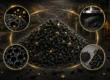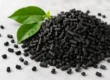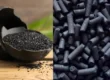

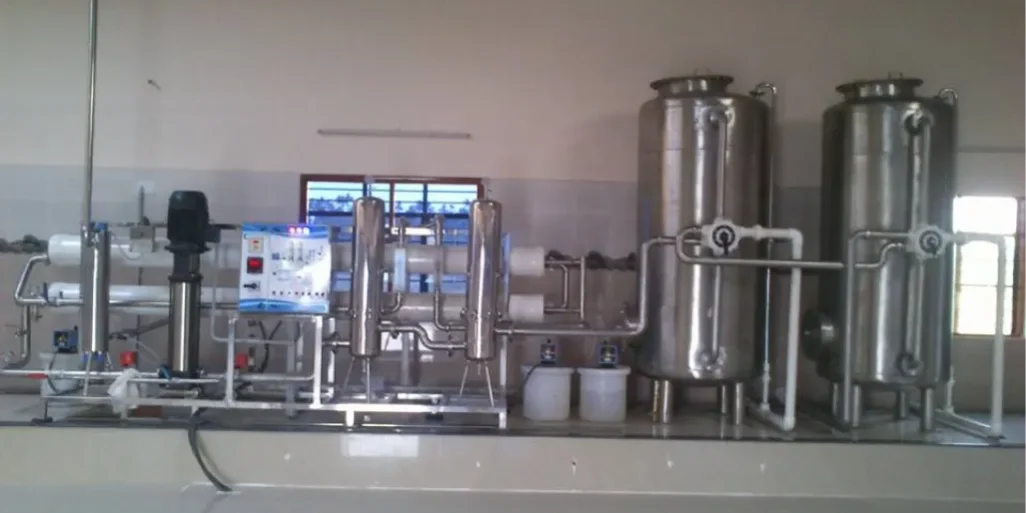
Activated Carbon for Water Treatment is a critical solution used across industries to improve water quality, remove contaminants, and ensure safe reuse or discharge. From goldmines to manufacturing plants, it plays a key role in modern water purification systems. As industries face stricter environmental regulations and rising water costs, efficient purification technologies like activated carbon are becoming essential.
This guide explains how it works, its benefits, and how to use it effectively.
What Makes Activated Carbon So Effective?
Activated carbon is specially processed to create a highly porous structure. This gives it:
- Extremely large surface area
- Strong adsorption capacity
- Ability to trap dissolved impurities
It works without complex chemical reactions, making it simple yet powerful.
How Activated Carbon for Water Treatment Works
Adsorption in Simple Terms
Activated carbon removes contaminants through adsorption, where unwanted substances stick to its surface.
Step-by-Step Process
- Water enters the carbon filtration system
- Contaminants attach to carbon pores
- Clean water flows out
This process is widely used in both industrial and municipal systems.
Key Contaminants Removed
Activated carbon for water purification is highly effective at removing:
- Chlorine and chlorinated compounds
- Organic chemicals (VOCs)
- Pesticides and herbicides
- Odors and taste-causing compounds
- Oil and hydrocarbons
Note: It is less effective for dissolved salts and some heavy metals unless combined with other systems.
Why Industries Rely on Activated Carbon
1. Improves Process Efficiency
Clean water improves:
- Chemical reactions
- Metal recovery rates
- Equipment performance
2. Reduces Operating Costs
Using treated water helps:
- Lower chemical consumption
- Reduce equipment wear
- Minimize downtime
3. Enables Water Recycling
Recycling water reduces dependency on freshwater sources and lowers costs.
4. Ensures Regulatory Compliance
Activated carbon helps industries meet global discharge standards and environmental norms.
Types of Activated Carbon Used
Granular Activated Carbon (GAC)
- Used in filtration beds
- Ideal for continuous systems
- Common in mining and large plants
Powdered Activated Carbon (PAC)
- Added directly into water
- Used for temporary or emergency treatment
Extruded Carbon
- Strong and durable
- Used in specialized systems
How to Choose the Right Activated Carbon
Selecting the correct activated carbon depends on several factors. The type of contaminants present in the water is the most important consideration. Different pore structures are suited for different pollutants. Surface area also plays a role. Higher surface area usually means better adsorption capacity. Durability is another key factor, especially in industrial systems where carbon is exposed to constant flow and abrasion.
Best Practices for Effective Use
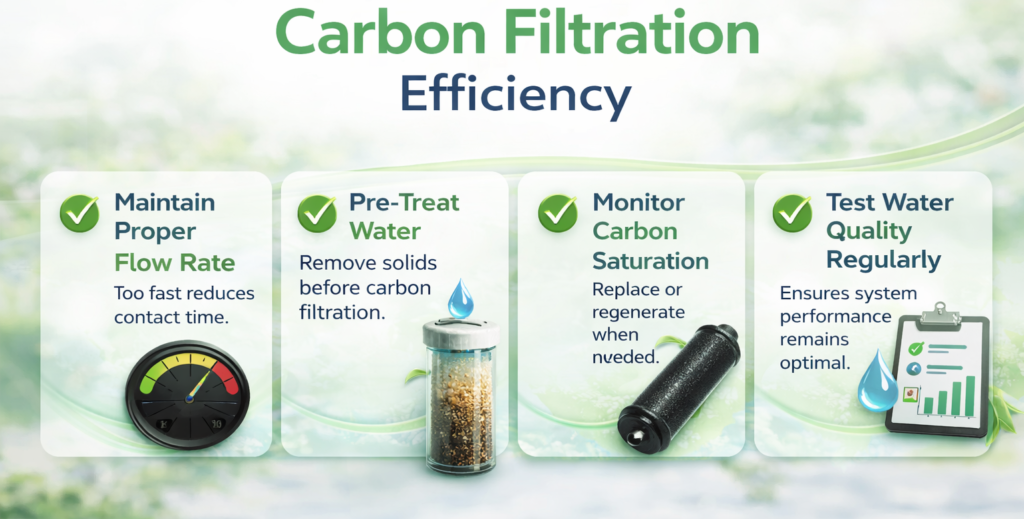
To get the best results, it is important to maintain proper system conditions. Water should be pre-filtered to remove large particles. This prevents clogging and improves carbon efficiency. Flow rate must be controlled to ensure enough contact time between water and carbon. Regular monitoring helps identify when the carbon becomes saturated. Replacing or regenerating it at the right time keeps the system running efficiently.
Environmental Impact
Activated carbon is considered an environmentally friendly solution. It reduces the release of harmful chemicals into water bodies and supports sustainable water management. By enabling water reuse, it also helps conserve natural resources. This is especially important in regions facing water scarcity.
Challenges to Consider
While activated carbon is effective, it does have limitations. It may not remove all types of contaminants, such as dissolved salts. In such cases, it is often used alongside other treatment methods. Over time, carbon becomes saturated and loses efficiency. Regular maintenance is necessary to ensure consistent performance.
Future of Activated Carbon in Water Treatment
The demand for clean water is increasing worldwide. As a result, new technologies are being developed to improve activated carbon performance. Advancements include better pore design, longer-lasting materials, and improved regeneration techniques. These innovations will make activated carbon even more efficient and cost-effective in the future.