
Metal recovery is not a new problem. Industries have been dealing with losses for years. Precious metals get washed away, mixed into waste streams, or simply lost during processing. Over time, those losses add up. And that’s where activated carbon comes into the picture.
Not because it’s fancy.
Because it works.
The Real Reason Activated Carbon for Metal Recovery
If you ask people on the plant floor, they won’t talk about surface area or pore structure. They’ll tell you one thing: activated carbon pulls the metal out. Simple as that.
Once metals are dissolved into liquid, activated carbon attracts them and holds on. It doesn’t need complicated controls. It doesn’t break easily. And it doesn’t slow the process down.
That reliability is the reason it’s still used today.
What Actually Happens in the Process
Here’s the basic idea.
Metal goes into solution.
Carbon goes in after that.
The metal sticks to the carbon.
That’s it.
Once the carbon is full, it’s taken out and treated to recover the metal. In many cases, the carbon goes back into the system again. Same carbon. Another cycle.
This is why operators like it. There’s very little guesswork involved.
Different Plants, Same Principle
Some plants mix carbon directly into the slurry. Others run the solution through columns filled with carbon. A few combine both steps to save time and space.
The setup changes.
The principle doesn’t.
Activated carbon does the same job across mining, recycling, and industrial recovery systems.
Why It’s Still the Preferred Option
There are newer methods. There are more complex systems. But activated carbon stays because:
• It recovers more metal
• It reduces losses
• It doesn’t need constant adjustment
• It survives rough operating conditions
• It makes financial sense
That last point matters more than people admit.
Where You’ll Commonly See It Used
Activated carbon is everywhere in metal recovery, even if it’s not visible.
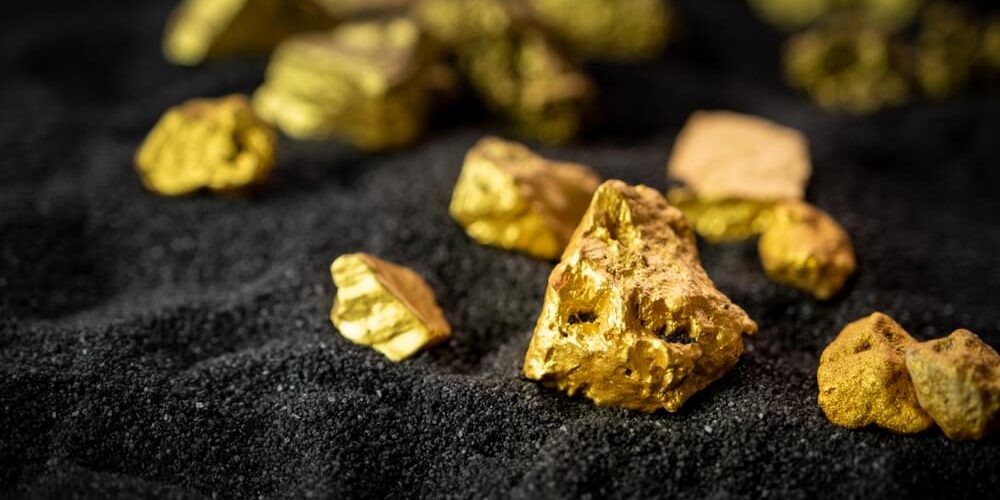
Gold recovery plants
E-waste recycling units
Industrial wastewater systems
Metal-bearing process streams
Anywhere metal is dissolved, carbon usually follows.
About Sustainability
Activated carbon made from natural materials like coconut shells is easier to handle from an environmental point of view. It can be reused multiple times, which reduces waste. It also helps industries recover metals that would otherwise be lost and end up in waste streams. Because of this, many companies see it as a practical option that supports both recovery efficiency and environmental responsibility at the same time.
Final Thoughts
Activated carbon continues to be used in metal recovery because it is reliable and predictable. It performs the same job cycle after cycle without needing complex controls or constant adjustments. For industries focused on reducing losses and maintaining stable operations, it remains a dependable solution that fits well into existing processes.