
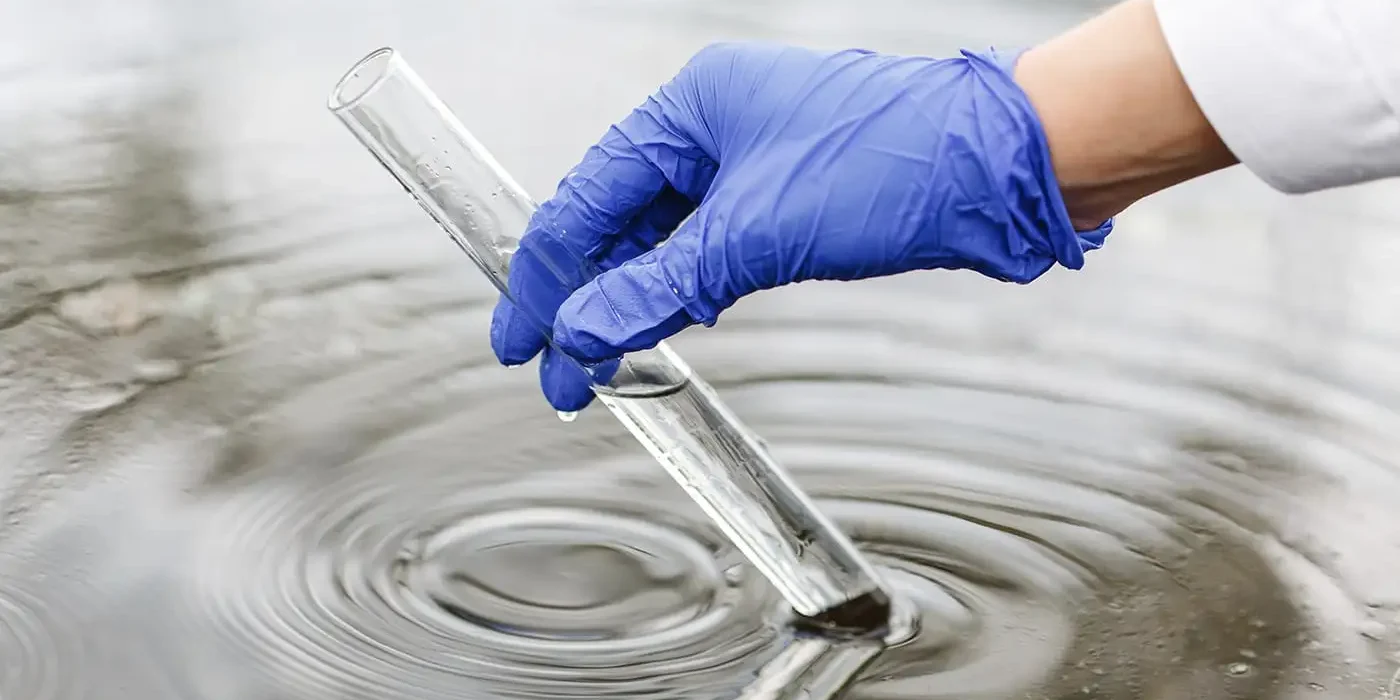
Activated Carbon for Water Treatment is a widely used filtration solution that removes impurities from industrial and process water using adsorption. Activated carbon’s porous surface traps contaminants, resulting in cleaner, safer water for uses ranging from drinking water systems to industrial process water.
In mining and metal recovery, effective water purification is essential for compliance, equipment protection, and environmental performance. Solutions based on activated carbon help industries meet global water quality goals.
How Activated Carbon Water Purification Works
Activated carbon cleans water through a physical process called adsorption, where contaminants stick to the carbon’s extensive network of pores.
Basic Steps
-
- Water flows through a carbon filter bed
- Contaminants adhere to the carbon surface
- Clean water exits the system
There are two common forms of carbon used in water filtration:
-
- Granular Activated Carbon (GAC) – used in continuous flow filter.
- Powdered Activated Carbon (PAC) – used in batch and treatment tanks
Key Benefits of Activated Carbon for Water Treatment
Activated carbon filtration delivers measurable value across industrial and municipal water systems:
1. Removes Contaminants
Activated carbon can adsorb a wide array of pollutants, including:
-
- Volatile Organic Compounds (VOCs)
-
- Chlorine and chlorination by-products
-
- Pesticides and herbicides
-
- Odors and tastes
-
- Some heavy metals and organic pollutants
Unlike chemical treatments, activated carbon works with minimal chemicals, making it a greener choice.
2. Protects Downstream Equipment
Pre-treating feed water with activated carbon:
-
- Reduces fouling of membranes (e.g., RO systems)
-
- Lowers chemical consumption
-
- Extends operational life of polishing filters
This is crucial for mining and industrial facilities that rely on efficient water recycling.
3. Supports Environmental Compliance
Activated carbon helps facilities meet water quality standards set by environmental agencies worldwide. It effectively lowers:
-
- Organic loading
-
- Toxic compounds
-
- Odorous emissions
It supports sustainable discharge and improves regulatory compliance.
4. Enhances Water Reuse
Clean water means better reuse in:
-
- Cooling systems
-
- Boilers
-
- Leaching circuits
-
- Cleaning operations
Re-using treated water can reduce freshwater withdrawals and operating cost.
Why Activated Carbon Is Effective
Activated carbon’s effectiveness comes from its:
-
- High surface area — often 900–1,200 m²/g
-
- Porous structure — micro and mesopores trap molecules
-
- Physical adsorption mechanism — no need for chemical reactions
This makes it versatile across applications from drinking water to industrial wastewater.
Typical Activated Carbon Water Treatment Applications
Activated carbon can be used in:
 Drinking & Process Water Purification
Removes taste, odor, chlorine, and organic contaminants.
Industrial Step-Up Water Treatment
Used before reverse osmosis (RO) and membrane systems to protect sensitive membranes.
Wastewater Treatment
Activated carbon enhances tertiary treatment in wastewater plants.
Groundwater & Well Water
Adsorbs dissolved volatile compounds and improves water clarity.
Specialized Filtration
Removal of persistent organic pollutants (e.g., PFAS, pesticides).
Conclusion: Why Activated Carbon for Water Treatment Matters
Activated Carbon for Water Treatment is a powerful, proven solution used around the world to purify drinking water, protect industrial systems, and improve environmental outcomes.
With proper selection and maintenance, activated carbon filtration boosts water quality, enhances reuse, and supports regulatory compliance in mining and industrial water systems.
If your operation depends on reliable water quality, upgrading to activated carbon filtration could significantly improve performance and sustainability.