
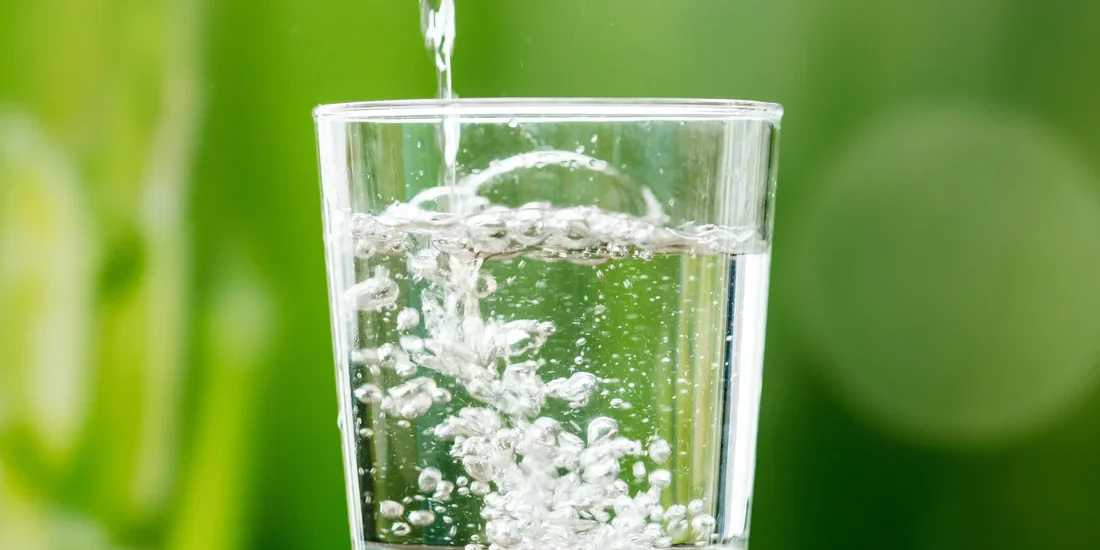
Getting pure water is not about making it look clear. Many impurities in water cannot be seen. Chlorine, chemicals, smell-causing compounds, and dissolved organic matter stay in the water even after basic filtration. This is why activated carbon is used in water treatment systems.
Activated carbon helps remove these unwanted substances and improves overall water quality. Because of this, it is commonly used in drinking water systems, industrial water treatment, and pre-treatment stages before RO plants.
Why Activated Carbon Is Used in Water Purification
Activated carbon works differently from sand or cartridge filters. It does not just block particles. It attracts and holds dissolved impurities on its surface. This makes it useful for removing substances that affect taste, smell, and safety.
It is mainly used to remove:
-
- Chlorine and chloramines
-
- Chemical residues
-
- Organic compounds
-
- Bad taste and odour
-
- Certain heavy metals (depending on carbon type)
Because of this, activated carbon is often placed before or after advanced filtration systems.
How Activated Carbon Works in Water Systems
Water passes through a bed or block of activated carbon. As the water flows, dissolved impurities stick to the carbon surface. Clean water passes through, while unwanted substances remain trapped.
The carbon continues to work until its surface becomes saturated. After that, it is either replaced or regenerated, depending on the system design.
This process is simple, reliable, and does not require complex controls.
Where Activated Carbon Is Used in Water Treatment
Activated carbon is used at different stages depending on the requirement.
- Before RO systems, it removes chlorine and chemicals that can damage membranes.
- After RO systems, it improves taste and removes residual odour.
- In standalone filters, it improves drinking water quality.
- In industrial plants, it treats process water and rinse water.
Because of this flexibility, it fits into many types of water systems.
Types of Activated Carbon Used for Pure Water
Different water sources require different carbon formats.
- Granular activated carbon is used in tanks and columns where water flows continuously.
- Carbon block filters are used where better contact time is needed.
- Impregnated carbon is used when specific contaminants must be targeted.
The choice depends on water quality, flow rate, and treatment goals.
Benefits of Using Activated Carbon for Water
Activated carbon is widely used because it gives consistent results.
- It improves water taste and smell
- It reduces chemical content
- It protects downstream equipment
- It is easy to install and maintain
- It works for both small and large systems
For these reasons, it remains a standard part of water purification systems.
About Sustainability
Activated carbon made from natural materials like coconut shells can be reused and managed easily. It reduces chemical usage in water treatment and helps improve water quality without creating complex waste streams. This makes it suitable for long-term use in water systems.
Final Note
Activated carbon is not a replacement for all water treatment methods. But it plays an important role in making water safer and more usable. When used correctly, it helps remove unwanted chemicals and improves water quality in a simple and dependable way.
That is why it continues to be used in pure water treatment systems.