
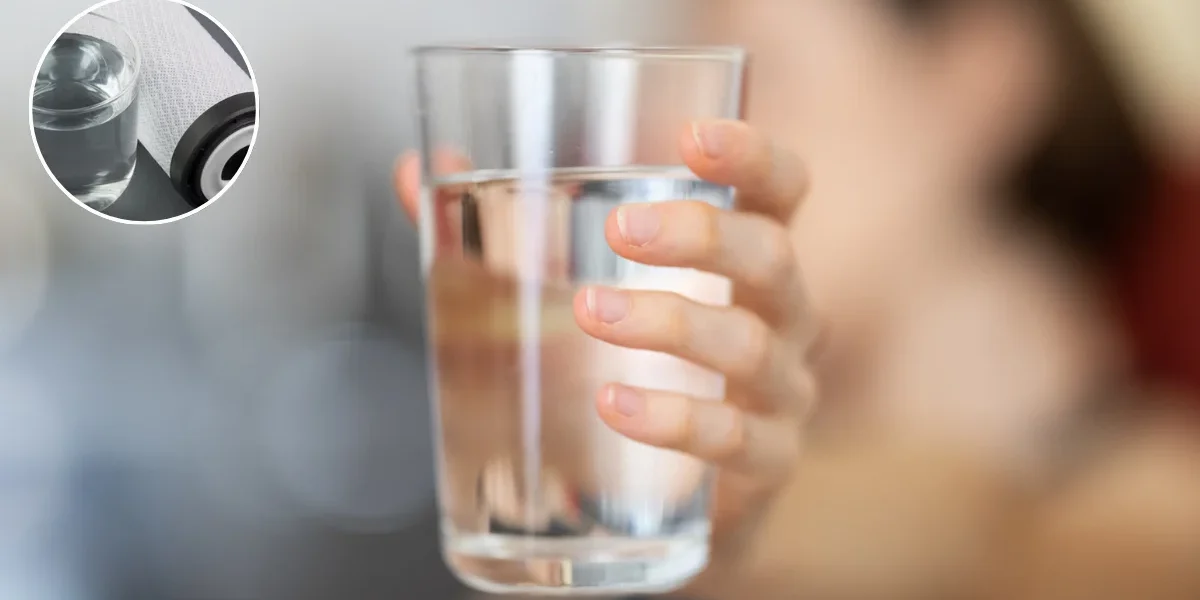
The majority of sources of drinking water contain chemicals, chlorine, and disagreeable odors. Activated Carbon filters are the most practical way to remove these contaminants and improve freshness and flavor. We quickly go over the best carbon filters to use in removing impurities from drinking water in this guide, along with how to choose the right carbon filter for your home.
How Carbon (Activated Carbon) Filters Work
• Mechanism adsorption the contaminants stick on the carbon surface which is poured.
• Activated carbon made of grains: granular (GAC) and powdered, and carbon block.
• Performance variables Type of carbon, filter bed depth and contact time.
• Carbon filters also remove certain heavy metals, VOCs, and chlorine.
• Limitations: does not totally eliminate contaminants (e.g., ineffective with individual microbes, fluoride, and salts).
Types of Carbon Filters
1. GAC – Granular Activated Carbon
• Better flow rate and suitable for chlorine removal.
• Commonly used in cartridges and packed bed filters.
• Used widely in household water purifiers (e.g., EcoGreen GAC filters).
2. Carbon Block Filters
• More dense and compact construction.
• Longer contact time ensures better removal of fine contaminants.
• Highly effective for lead, VOCs, pesticides, and bad taste/odor.
3. Catalytic Activated Carbon
• Special type designed for more difficult contaminants.
• Highly effective for chloramines, hydrogen sulfide (H₂S), and industrial chemicals.
Key Criteria to Choose a Good Carbon Filter
• Certification: Certification may be of NSF or any other good certification to establish what are the removed contaminants.
• Pore structure / surface area: The larger the porosity the larger the adsorption capacity.
• Contact time: The design / depth of filter determines the span of contact time of water and carbon.
• Filter life: Liters / length of time to shift the cartridges.
• Point of use : (tap / under-sink) in RO systems, whole-house, or inline.
• Cost: original cost + maintenance cost.
How to Maintain & Replace Carbon Filters
• Frequency: depends on usage & water quality
• Signs it’s time to change: reduced flow rate, change in taste / odor
• Before using new filters, flush and prime them.
• appropriate recycling or disposal (if applicable)
When Carbon Filters Alone Are Not Enough
• For removing microorganisms: need UV or RO
• For dissolved salts / TDS: RO is better
• For very specific toxins: combination of filters or specialty media might be needed
Conclusion
Recap why carbon filters are a great first line of defense for many common water contaminants
Emphasize the importance of choosing the right type of carbon filter based on water quality and usage. Encourage readers to check certification and consider maintenance costs.
Looking for the right carbon filter?
EcoGreen Cleantech offers premium, performance-tested carbon solutions. For knowledgeable advice and dependable products that provide safer, cleaner drinking water, get in touch with us right now.